

Introduction
Koji was a revolutionary social media tool designed to help influencers monetize their following by selling digital products. But despite its promising start, Koji was purchased by Linktree and shut down in early 2024. While the service is no longer available, let’s dive into what Koji was, how it worked, and why it was so popular—offering insights into a tool that helped many influencers earn money.
What Was Koji?
It was a digital tool built specifically for social media influencers, creators, and entrepreneurs who wanted to sell digital products directly to their followers. Think of it as a customizable mini-program that made it easy for anyone with a social media account to start earning.
The service allowed users to create personalized, interactive experiences, like games or products, and seamlessly sell them through their social media platforms. Whether you wanted to sell photos, videos, artwork, or other digital content, Koji provided a simple and effective way to do so.
How Did Koji Work?
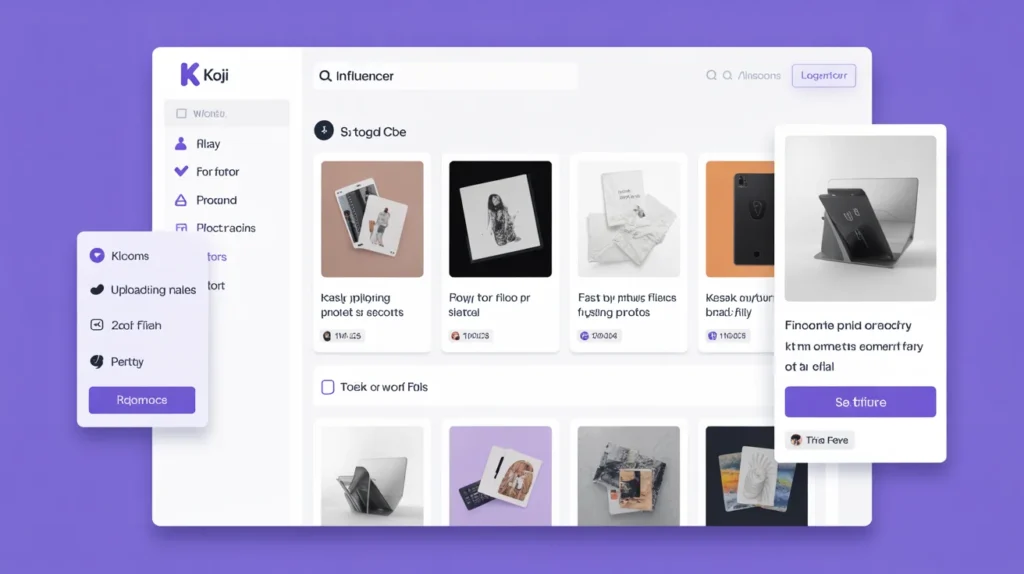
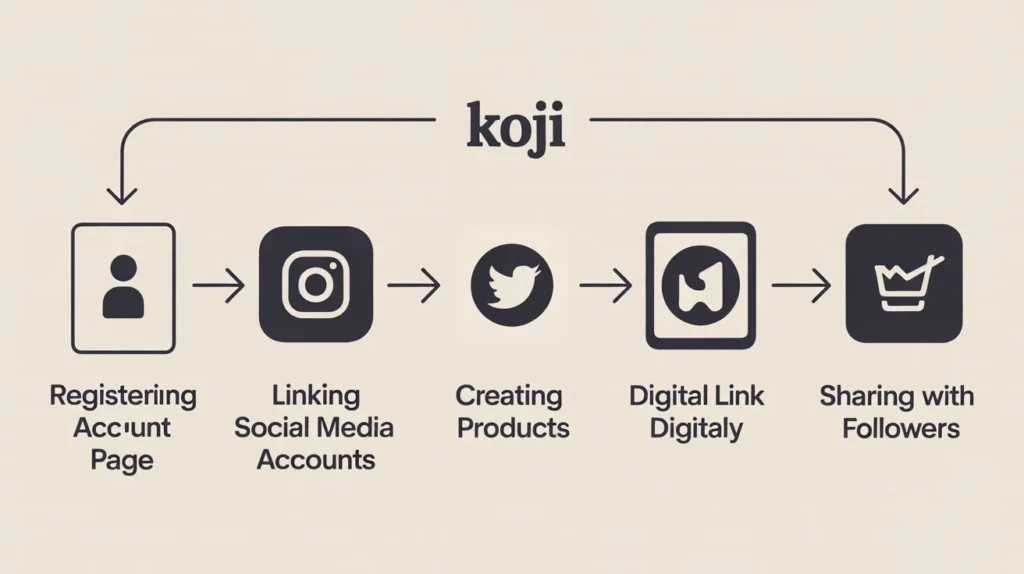
To get started, all you needed was a this account. After registration, users would link their social media accounts (Instagram, YouTube, TikTok, etc.), and choose from a variety of templates to create their digital products. The platform allowed users to personalize these templates with their own images, prices, and descriptions. Once completed, they could simply share the link with their followers.
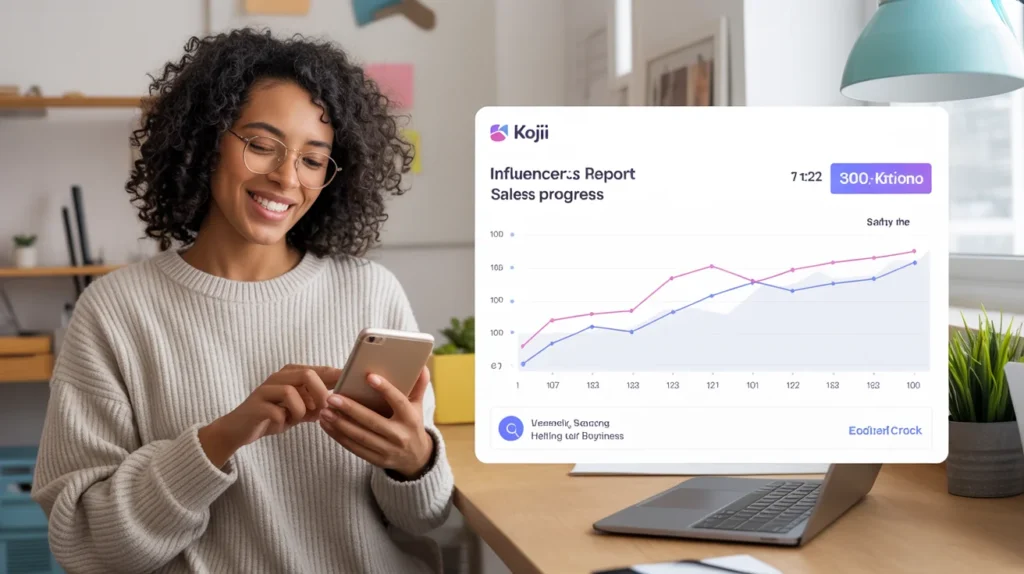
Koji handled the transaction process and also provided updates when sales were made, offering real-time earnings reports.
How Did Koji Help Influencers Make Money?
It was designed for creators who wanted an easy way to monetize their social media presence. Whether you were a photographer, musician, or fitness influencer, Koji offered tools that allowed you to sell directly to your followers—without needing to manage an entire e-commerce site.
Selling Digital Products with Koji
For example, if you were a photographer, you could use Koji to sell your exclusive photos or offer behind-the-scenes video content. After setting your price and uploading the digital files, you would simply share your Koji link on your social media accounts, and when a customer made a purchase, Koji would process the transaction and notify you of your sale.
The “Remix” Feature
In addition to direct sales, this app offered a royalty feature called “remix”. If someone saw your Koji and decided to create a similar product or idea using Koji’s templates, you would earn a small royalty every time they made a sale. This system not only benefited influencers but also allowed programmers and designers to create and sell their own Koji templates.
Koji’s Revenue Model: How Much Did Koji Take?
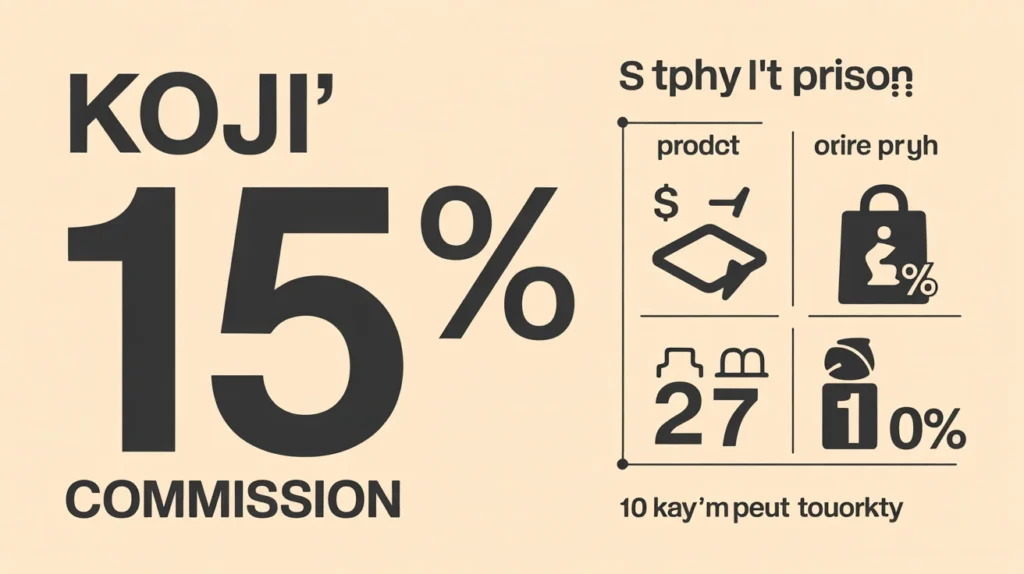
Koji took a 15% commission from each sale made through the platform. This fee applied to most digital products, though it had a sliding scale for certain types of items, such as charity content or tickets to live events. If a buyer paid with a credit card, Koji would also charge a small processing fee.
While 15% might seem steep, Koji’s easy-to-use interface, no upfront costs, and built-in transaction processing made it a popular choice for creators just starting to sell digital products.
Why Did Koji Shut Down?
Despite its initial popularity, it was eventually acquired by Linktree and shut down in 2024. The shutdown came as a part of Linktree’s broader focus on simplifying social media link management and integrating monetization tools under a single platform. While Koji’s features helped many influencers, Linktree ultimately decided to discontinue the service.
The Impact on Influencers and Creators
For influencers who were actively using Koji, the shutdown was a huge disappointment. Many had relied on the tool to sell digital products, promote exclusive content, and interact with their audience in innovative ways. The shutdown left a significant gap in the market for easy-to-use digital product sales platforms.
If you were one of those affected, don’t worry—there are several alternatives that provide similar features.
Better Alternatives to Koji for Selling Digital Products
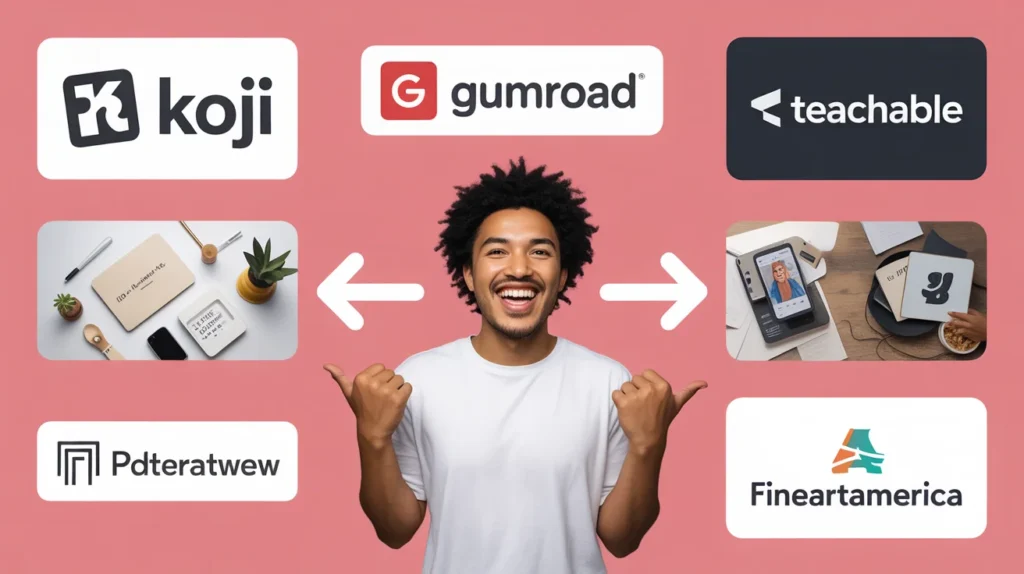
If you’re looking for a new platform to sell digital products, there are plenty of other services that can help you monetize your content. Here are some of the best alternatives:
1. FineArtAmerica, Society6, and Redbubble (For Art and Design)
These platforms allow creators to upload and sell digital designs, illustrations, photography, and other visual content. They handle the printing, shipping, and customer service, so you can focus on creating and promoting your artwork.
- FineArtAmerica: Focuses on selling high-quality art prints, with options to sell physical and digital art.
- Society6: Offers a similar model, but includes home decor, tech accessories, and more.
- Redbubble: Best known for custom apparel, accessories, and home goods featuring your artwork.
2. Teachable and Thinkific (For Digital Courses)
If you’re a creator who wants to teach, Teachable and Thinkific are excellent alternatives for selling online courses. These platforms provide all the tools you need to create, market, and sell courses.
3. Heartbeat (For Influencers)
If you’re an influencer looking to promote and sell products for pay, Heartbeat connects influencers with brands. Through the platform, you can create and sell sponsored posts, product reviews, or affiliate content to earn commissions.
4. Gumroad (For Digital Products)
Gumroad allows creators to sell eBooks, digital artwork, music, and other content directly to their audience. This platform is known for its simple interface and ease of use.
Conclusion: Koji’s Legacy and What You Can Learn
This app was a pioneering tool in the influencer economy, offering an easy and profitable way for creators to monetize their social media following. However, its shutdown in 2024 highlights the unpredictable nature of tech startups and the importance of having backup plans when using third-party platforms to sell products.
For those looking to continue selling digital products, now is the time to explore alternative platforms like FineArtAmerica, Teachable, and Gumroad. These services offer robust tools and support that can help you turn your passion into profit, even if it is no longer an option.
Key Takeaways:
- This app allowed influencers to easily sell digital products and earn royalties from “remixes.”
- The tool charged a 15% commission, but the ease of use made it popular among creators.
- It was shut down in 2024 following its acquisition by Linktree, leaving influencers searching for alternatives.
- Alternatives like Gumroad, FineArtAmerica, and Teachable offer similar monetization options for creators looking to sell their digital products.