

Three years ago, I was staring at my laptop at 11 p.m., exhausted from my day job, googling “legitimate ways to make money from home” for the hundredth time. I had no portfolio, no degree in English, and zero clue what a “niche” even meant. Fast forward to today, and freelance writing pays more than half of my bills every month.
If you’re sitting where I was, wondering whether you can actually Make Money Writing Online words on the internet, the short answer is yes. The longer answer is what this guide is about. I’m going to walk you through exactly how to start, what to charge, where to find clients, and the mistakes that kept me broke for my first four months so you don’t repeat them.

Why Freelance Writing Is One of the Best Online Side Hustles in 2026
Content isn’t going anywhere. Every business with a website, every coach with a course, every brand with a newsletter needs somebody to write the words. And most of them don’t want to do it themselves. That creates a massive, never ending pipeline of work for people who know how to string sentences together clearly.
What makes freelance writing especially appealing for beginners is the near zero barrier to entry. You don’t need a certification. You don’t need fancy software. You need a laptop, an internet connection, and the patience to get better every week. Compare that to starting an Etsy shop or a YouTube channel, and writing feels refreshingly simple.
The numbers back it up too. Entry level freelance writers typically earn between $20 and $65 per hour depending on niche and skill. Some writers I know crossed $5,000 per month within their first six months of serious pitching. It’s not magic, and it’s definitely not passive, but it’s one of the most flexible income streams you can build from scratch.
Step 1: Pick a Niche Before You Pick a Client
The biggest mistake beginners make is trying to be a “writer for anyone who will pay me.” I did this. It doesn’t work. Clients don’t hire generalists because generalists don’t solve specific problems.
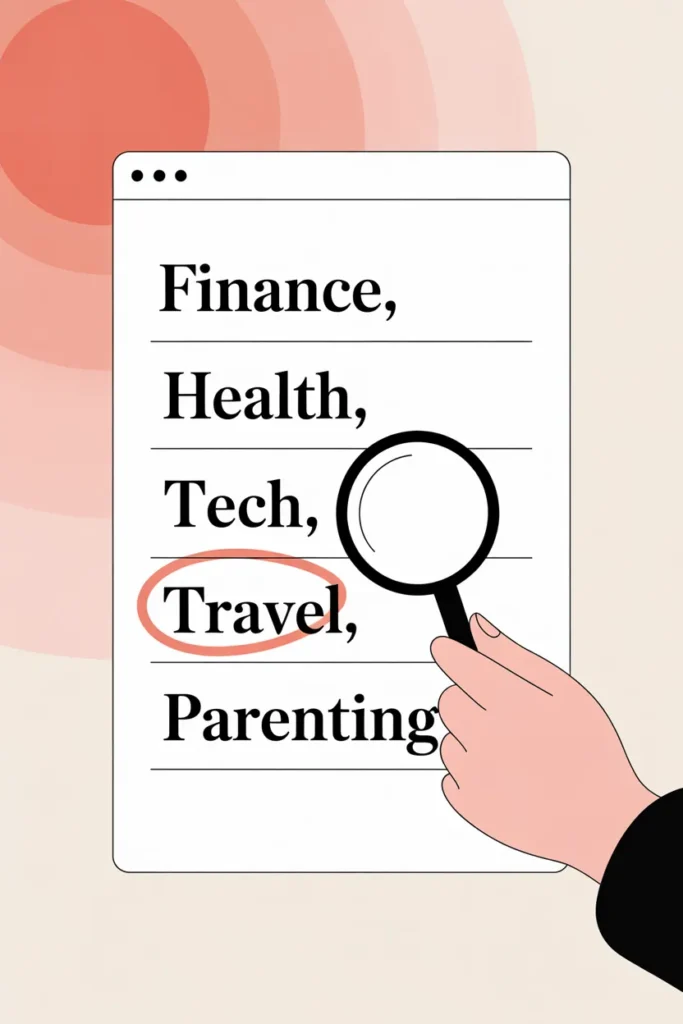
A niche is simply the topic area you specialize in. Personal finance, SaaS, parenting, mental health, pets, real estate, fitness, travel, B2B marketing — pick something. You don’t have to be an expert. You just have to be interested enough to read, research, and write about it consistently for months without burning out.
Here’s how I’d choose a niche if I were starting over today. Make a short list of topics you already read about for fun. Cross check that list against profitable industries (finance, tech, health, and SaaS tend to pay the most). Pick the overlap. That’s your niche.
Step 2: Build a Portfolio Before Anyone Asks for One
Chicken and egg problem: clients want writing samples, but you can’t get samples without clients. The workaround is that you create your own samples. No one checks whether your articles were paid or published elsewhere.
Write three strong pieces in your chosen niche. Treat them like real client work. Add a compelling headline, clear subheadings, internal structure, and a call to action at the end. Post them on Medium, LinkedIn articles, or your own simple website. That’s your portfolio. Done.
When I started pitching, every single one of my “clips” was self published. Nobody asked whether I’d been paid for them. Editors just wanted proof that I could write something readable.
If you’re curious about how to turn writing into a broader income stream beyond one off gigs, check out this breakdown of AI side hustles that are actually making people money in 2026. Combining writing skills with AI tools is quietly becoming one of the fastest ways to scale.
Step 3: Find Real Freelance Writing Jobs (Without Wasting Months on Upwork)
Job boards are fine, but they’re not where the money lives. The money lives in cold pitching and networking. Still, job boards are a reasonable starting point for your first three to five clips.
Here are the platforms actually worth your time as a beginner:
ProBlogger Job Board. Curated, decent quality, and leans toward writers who already have a basic portfolio. Listings here are less flooded than Upwork.
Contena and SolidGigs. Paid memberships, but they vet gigs, which saves you hours of sifting. Worth it once you’ve landed your first paid piece.
LinkedIn. Underrated. Optimize your headline (“Freelance Writer for SaaS Brands” beats “Aspiring Writer” every single time), post two or three times a week about your niche, and message decision makers directly.
Twitter/X. Still one of the fastest ways to build a network in writing. Follow editors, founders, and marketers. Reply thoughtfully. Warm connections convert into paid work.
Cold pitching is the real unlock. Find a brand whose blog looks thin or outdated, draft a short email with one concrete article idea, and send it to the marketing manager or editor. I’ve landed $500 projects from 150 word emails. It works when you make it about them, not you.
Step 4: Set Your Rates (Stop Working for $5 a Blog Post)
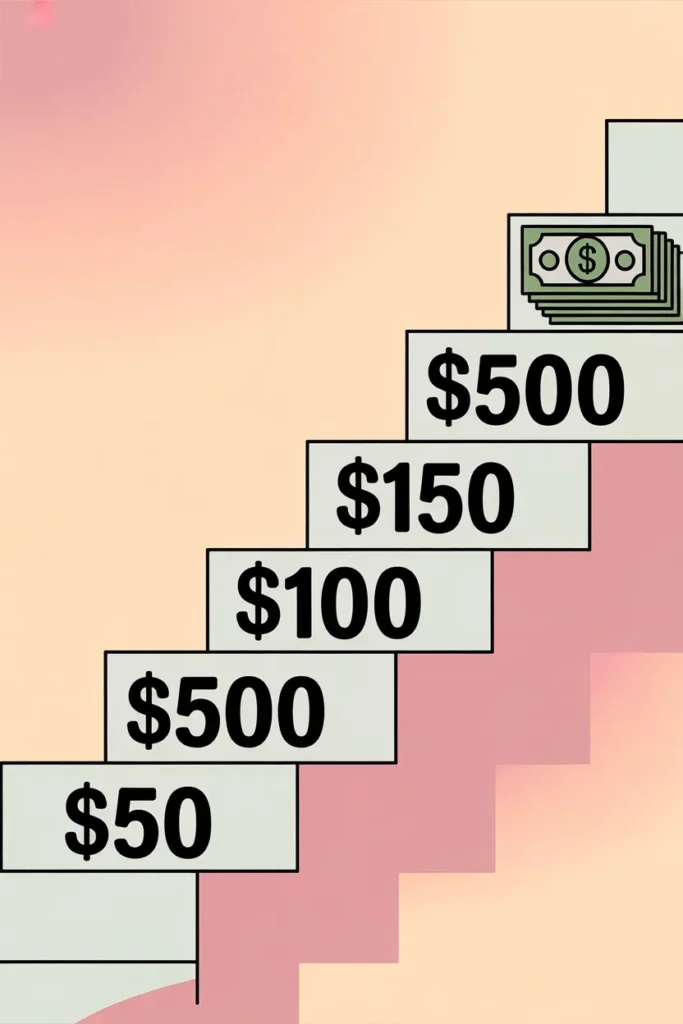
Pricing is where most new writers leave thousands of dollars on the table. The going market rate for decent freelance blog content starts at around $100 for 1,000 words and climbs quickly to $500 or more per article for writers with proven clips in profitable niches.
Here’s the rate ladder I wish someone had handed me:
| Experience Level | Per Word | Per 1,000 Words |
|---|---|---|
| Absolute beginner | $0.05 to $0.10 | $50 to $100 |
| 3 to 6 months in | $0.10 to $0.20 | $100 to $200 |
| 6 to 12 months | $0.20 to $0.50 | $200 to $500 |
| Specialist (1 year+) | $0.50 to $1.50+ | $500 to $1,500+ |
Never quote hourly if you can help it. Fast writers get penalized when they charge by the hour. Quote per project or per deliverable instead.
One honest tip: raise your rates with every new client. The client you land in month three should pay more than the one you landed in month one. That’s the only way your income grows faster than your workload.
Step 5: Master SEO Basics (This Is Where the Real Money Is)
Clients don’t just want pretty words. They want words that rank on Google and bring in traffic. Writers who understand search engine optimization charge two to three times more than those who don’t.
You don’t need to become a technical SEO expert. You need to understand a handful of concepts:
- Keyword research. Using free tools like Google Keyword Planner or Keyword Surfer to find what your audience actually searches for.
- Search intent. Matching what the reader wants (how to guide, product comparison, quick answer) with what you deliver.
- On page structure. Proper H1, H2, H3 hierarchy, short paragraphs, bullet lists, and internal links.
- Readability. Short sentences. Plain language. A rhythm that makes someone want to keep scrolling.
Spend one weekend reading free SEO guides from Moz’s Beginner’s Guide to SEO and you’ll already know more than 70% of the writers competing against you.

Step 6: Pitch Like a Human (Not a Desperate Bot)
Most pitches fail because they’re all about the writer. “I’m a passionate writer looking for opportunities.” Editors read that line fifty times a day. It means nothing.
A pitch that actually works sounds like this:
Hi [Name], I noticed your blog hasn’t published anything on [specific topic] in six months, even though it’s trending in your space. I’d love to write a 1,500 word piece called “[specific headline]” that covers [two bullet points]. I’ve written similar pieces for [one sample or publication]. Happy to share a full outline if you’re interested.
Short. Specific. About them. Offers something concrete. That’s the formula.
Send ten of these a week for four weeks and something will land. I promise.
Step 7: Deliver Like a Professional and Clients Will Come Back
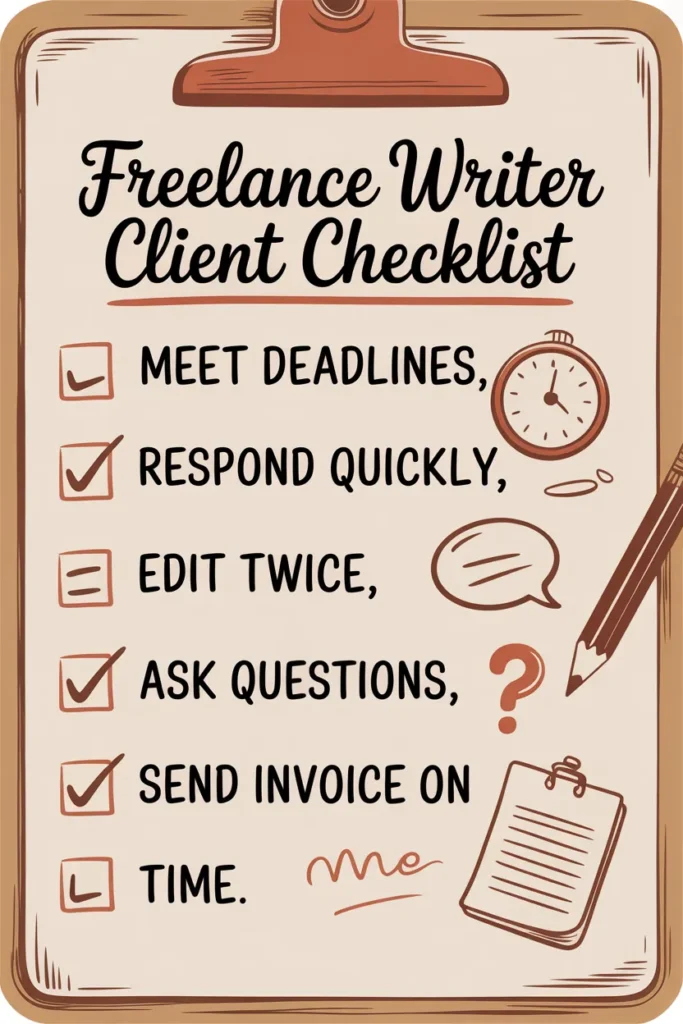
The secret most new writers miss is that your first client isn’t just one paycheck. They’re your next five paychecks, if you treat them right. Hit your deadlines. Always. Deliver clean copy with zero typos. Respond to emails within a business day. Be easy to work with.
Boring, I know. But in an industry where flaky writers are legendary, being reliable is actually your biggest competitive edge.
How Much Can You Really Make Writing Online?
Let’s talk real numbers because vague promises help no one. Here’s a realistic income breakdown for the first year:
- Months 1 to 3: $0 to $500 per month. You’re building clips, pitching hard, landing a first or second small gig.
- Months 4 to 6: $500 to $2,000 per month. You have two or three recurring clients. You’re raising rates.
- Months 7 to 12: $2,000 to $5,000+ per month. You’re charging per project, saying no to bad fits, and building a pipeline.
Some writers move faster. Some slower. The variable that matters most is how consistently you pitch. Writers who send ten cold pitches a week get clients. Writers who send one and wait don’t.
For a deeper look at stacking income streams alongside writing, this guide to Pinterest SEO tips to drive more blog traffic in 30 days pairs beautifully with a freelance writing business, because once you start a blog to showcase samples, Pinterest can send thousands of visitors your way.

The Tools I Actually Use Every Day
You don’t need much. Here’s the short list:
- Google Docs. Free. Universal. Clients love it.
- Grammarly (free version). Catches the embarrassing stuff.
- Hemingway Editor. Makes your writing punchier.
- Trello or Notion. For tracking pitches, deadlines, and invoices.
- Wave or PayPal. Free invoicing for your first clients.
Skip the expensive courses and masterminds until you’re making real money. Free tools get you 90% of the way there.

Common Mistakes That Kill Beginner Freelance Writing Careers
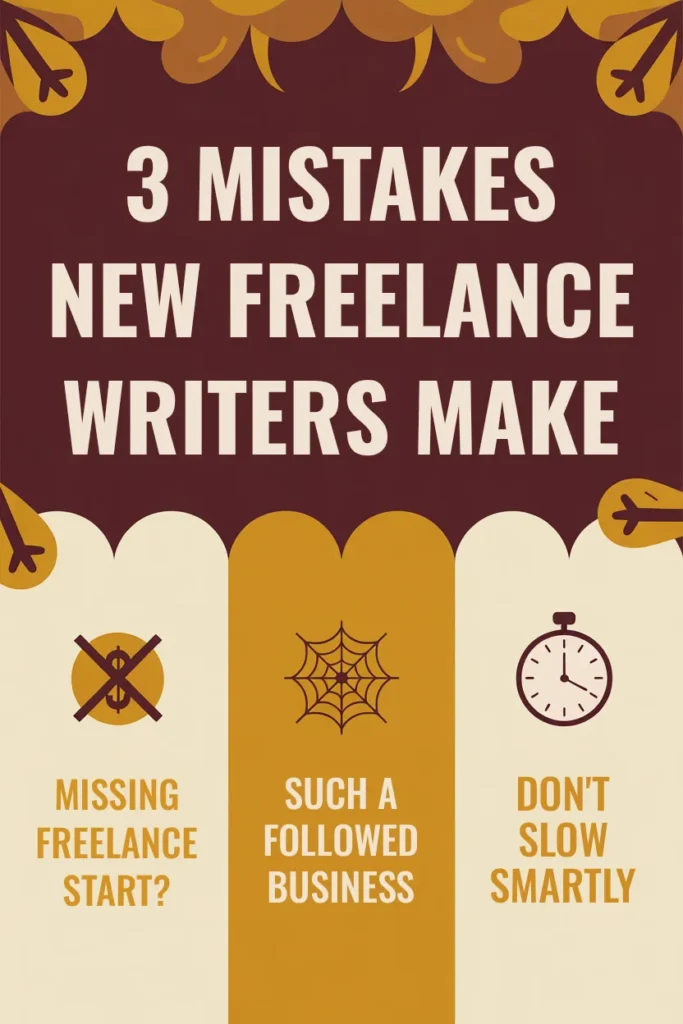
Three mistakes sink more beginners than anything else.
Mistake one: Waiting to feel ready. You’ll never feel ready. Send the pitch anyway.
Mistake two: Underpricing forever. Charging $20 per post is fine for month one. It’s a trap by month six. Raise your rates or build resentment.
Mistake three: Chasing the wrong niches. Poetry, creative essays, and travel sound romantic. They also pay the least. If you want to write what you love as a hobby, great. If you want to pay bills, start in boring and profitable first.
For more perspective on building online income beyond just freelance gigs, this roundup of how to make money on Pinterest without a blog opens up some genuinely creative options you can stack with writing income.
Building Long Term Writing Income
Freelance writing doesn’t have to stay transactional forever. Once you’ve built a steady client base, the natural next step is to create your own assets: a niche blog, a newsletter, an ebook, or a small course teaching what you’ve learned. These turn one time payments into ongoing income.
I now earn more from my own blog and affiliate content than I do from client work, and it all started with one paid $75 article. Your writing skills are the foundation. Everything else is built on top of them.
If you want to go deeper into resources that help freelancers and creators build scalable income, the free tools at this side hustle pricing and ROI calculator are genuinely useful for mapping out how much your writing time is actually worth.

Final Thoughts: Just Start, Even If It’s Messy
Every successful freelance writer I’ve ever spoken to said the same thing when I asked how they started: “I just started.” They pitched bad pitches. They wrote mediocre first articles. They undercharged. They kept going.
Three months from now, you can either be a person who thought about starting freelance writing, or a person with two or three paid clips and a growing income. The only difference is whether you close this tab and do nothing, or close this tab and send your first pitch today.
Your first client is already out there. They just haven’t heard from you yet.
Frequently Asked Questions
How much can a beginner freelance writer make per month? Most beginners make between $200 and $1,500 in their first three months, depending on how consistently they pitch and which niche they choose. By month six, $2,000 to $3,000 per month is realistic for writers who treat it seriously.
Do I need a degree to become a freelance writer? No. Clients care about whether you can write clearly and deliver on time, not about your diploma. I don’t have a writing degree and it has never once come up in four years of client work.
What’s the easiest niche to start freelance writing in? Personal finance, parenting, health and wellness, and small business tend to have the most consistent demand for beginner friendly writing. They also pay well because the businesses in these niches have real marketing budgets.
How long does it take to start making money writing online? Most serious beginners land their first paid gig within 30 to 60 days of consistent pitching. Making a full time income typically takes six to twelve months.
Is freelance writing oversaturated with AI now? Generic, low value writing is under pressure from AI. Specialized, research driven, human writing in profitable niches is actually more in demand than ever because brands want content that sounds like a real person.
Found this helpful? Save this pin to your “Make Money Online” or “Side Hustles” board on Pinterest so you can come back to it later, and share it with a friend who needs a push to start writing.