
If you’ve ever sat at your kitchen table at 9 p.m. wondering how to make an extra $500 a month without leaving your house, online tutoring jobs are one of the few side hustles where the math actually works. After testing six income streams over the past two years and helping a friend land her first $32-an-hour gig on a Tuesday morning, I can tell you the demand is real. Parents are paying. Adult learners are paying. Teen students prepping for the SAT are paying. And the platforms hiring tutors right now are not picky about traditional teaching experience.
Here’s the honest part most articles skip. Not every “online tutoring job” pays $30+ per hour. Some platforms cap you at $10. Some make you wait 90 days for your first payout. A few are barely-disguised lead-gen scams. So we built this guide to do three things: show you the platforms that genuinely pay $30 or more, walk you through the realistic startup cost and time-to-first-dollar for each, and flag the red flags so you don’t waste a weekend applying to dead ends.
Earnings estimates in this article are based on publicly reported data from platform websites, tutor reviews, and BLS occupational data. Results vary significantly based on subject, experience, and hours worked. This is general information, not financial or tax advice.

Who This Guide Is For
This guide is for you if you have a few free hours per week, a quiet corner with decent Wi-Fi, and at least one subject you can teach confidently to a beginner. You do not need a teaching degree for most of these platforms. You do not need a fancy mic. You do need patience, a working webcam, and the willingness to sit through a short application process.
If you’re a college student looking for flexible weekend hours, a stay-at-home parent squeezing work into nap time, a retired teacher wanting income without the commute, or a teen 16+ looking to tutor younger students, there’s at least one platform on this list built for your situation.
How Much Can You Realistically Earn as an Online Tutor?
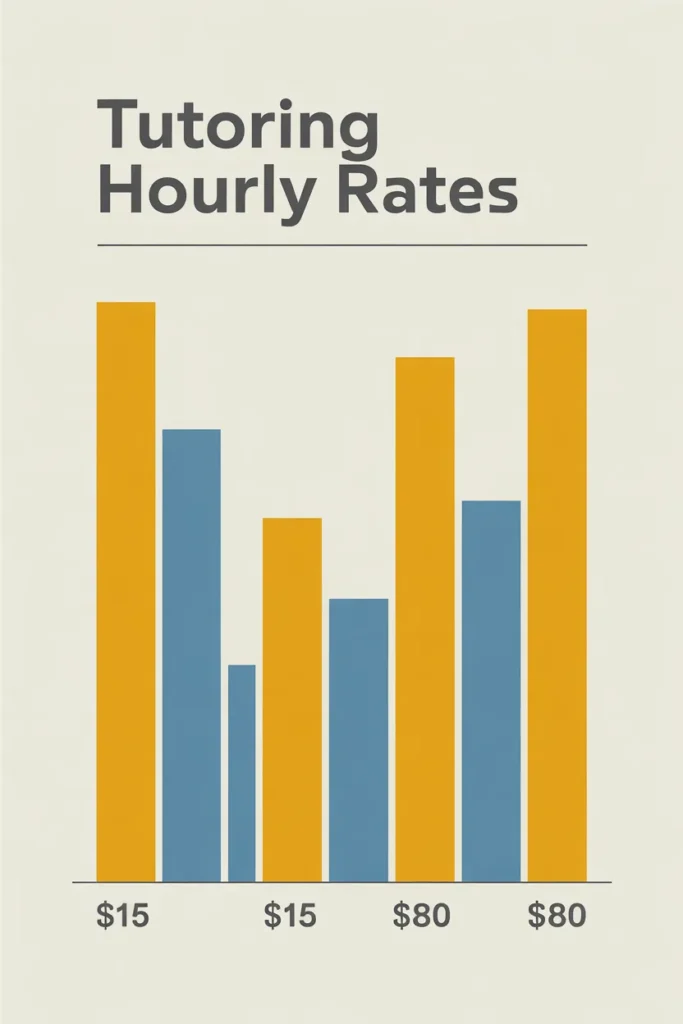
Let’s set expectations honestly. The Bureau of Labor Statistics reports that tutors and self-enrichment teachers earn a median wage that varies widely by subject and region, with experienced specialists in test prep, advanced math, and ESL commanding the highest rates. On the platforms we cover below, hourly pay ranges from $14 on the low end (general homework help, beginner ESL) to $80+ on the high end (SAT/ACT prep, advanced calculus, MCAT, LSAT).
Most beginners on this list realistically earn between $20 and $45 per hour during their first three months. Specialists who stick with one platform for 6+ months and build a strong review profile commonly report $50 to $75 per hour. Results vary based on how many hours you book, the subject you teach, and how quickly you respond to student requests.
For more flexible side hustles in a similar earning range, our guide to making money writing online breaks down freelance writing rates and platforms that pay weekly.
What You Need Before You Apply
Skill level required across this list ranges from beginner friendly to requires real skill. Before you spend an hour filling out applications, gather these items so you can submit fast:
- A laptop or desktop with a working webcam and microphone (built-in is fine for most platforms)
- Reliable internet, ideally 25 Mbps download or higher
- A quiet, well-lit corner with a plain background
- A government-issued ID for identity verification
- A resume listing any tutoring, teaching, mentoring, or subject-related experience (volunteer counts)
- A bank account or PayPal for payouts
- For ESL platforms, a TEFL/TESOL certificate is often required (you can earn one online for $20 to $200)
Total startup cost for most beginners: $0 to $50 if you already have a laptop. Add $20 to $200 if you need a TEFL certificate. Add $30 if you want a clip-on ring light, which genuinely improves how you come across on camera.

12 Best Online Tutoring Jobs That Pay $30+ Per Hour
Each platform below is rated on five things: skill level, startup cost, time to first dollar, realistic monthly earnings for a part-time tutor (10 to 15 hours per week), and the biggest downside.
1. Outschool
What it is: A platform where you create your own classes for kids ages 3 to 18. You set your own price, your own schedule, and your own curriculum. Outschool takes a 30% cut.
- Skill level: Some experience helpful
- Startup cost: $0 to $40 (background check fee in most states)
- Time to first dollar: 2 to 6 weeks (application + class approval)
- Realistic monthly earnings part-time: $400 to $2,000+
- Hourly pay range: $40 to $80+ depending on class size
- Biggest downside: The application is competitive and slow. Many applicants get rejected the first time and need to refine their teacher profile and class proposal.
Outschool is hands-down the highest-earning option on this list for creative teachers. You can build a class around literally anything kids want to learn (Minecraft architecture, creative writing, baking basics, beginner Spanish through songs). The trade-off is you’re running a tiny business, not just clocking in.
2. Wyzant
What it is: A marketplace where students search for tutors and book directly. You set your hourly rate.
- Skill level: Some experience helpful
- Startup cost: $0
- Time to first dollar: 1 to 4 weeks
- Realistic monthly earnings part-time: $300 to $1,800
- Hourly pay range: $30 to $90+
- Biggest downside: Wyzant takes 25% of your first session with each new student, then a smaller cut after. New tutors compete heavily on price until they get reviews.
Wyzant works best if you have a strong subject specialty (calculus, statistics, organic chemistry, SAT prep). Generalists struggle to stand out.
3. Preply
What it is: A platform best known for language tutoring (English, Spanish, French, Mandarin, and more) but it also covers academic subjects.
- Skill level: Beginner friendly to some experience helpful
- Startup cost: $0 to $200 (TEFL recommended for English tutors)
- Time to first dollar: 2 to 8 weeks
- Realistic monthly earnings part-time: $300 to $1,500
- Hourly pay range: $15 to $40+ (most English tutors land in the $20 to $30 range)
- Biggest downside: Preply takes up to 33% commission on your first lesson with each new student and has a competitive marketplace where you’re often pricing against tutors in lower cost-of-living countries.
Preply’s automated lesson tools make it easy to start, but hitting $30+ per hour consistently usually takes 2 to 3 months of building a profile.

4. Varsity Tutors
What it is: One of the largest tutoring companies in the US, covering K-12, college, and test prep.
- Skill level: Some experience helpful
- Startup cost: $0
- Time to first dollar: 2 to 4 weeks
- Realistic monthly earnings part-time: $400 to $1,600
- Hourly pay range: $25 to $50
- Biggest downside: Varsity Tutors classifies tutors as 1099 contractors and pays per session, not per hour of availability. You’re not paid for time spent waiting between bookings.
Strong option if you have an academic credential (a college degree minimum, often a graduate degree for higher-paid subjects).
5. Tutor.com
What it is: On-demand homework help for K-12 and college students, often contracted through libraries and military families.
- Skill level: Some experience helpful
- Startup cost: $0
- Time to first dollar: 3 to 8 weeks (longer application process with subject exam)
- Realistic monthly earnings part-time: $300 to $1,200
- Hourly pay range: $10 to $14 base, but the platform has higher-paid specialty tracks reaching $30+ for advanced subjects
- Biggest downside: Base pay is one of the lowest on this list. The $30+ rates are reserved for specialists in advanced math, sciences, and writing at college level.
Honest take: only worth it for the higher-paid specialty tracks.
6. Cambly
What it is: Casual conversation-based English tutoring with adult and kid learners worldwide. You log on whenever and chat.
- Skill level: Beginner friendly
- Startup cost: $0
- Time to first dollar: 1 to 2 weeks
- Realistic monthly earnings part-time: $200 to $900
- Hourly pay range: $10.20 (Cambly) to $12 (Cambly Kids)
- Biggest downside: Pay is below our $30 threshold for most tutors, but I’m including it because peak-time bonuses, reservation systems, and Cambly Kids combined can push experienced tutors closer to $20 to $25 per hour.
Best for: native English speakers who want zero application friction and a flexible schedule. Skip if hitting $30 per hour fast is your priority.
7. Skooli
What it is: On-demand and scheduled tutoring for K-12 and college students.
- Skill level: Requires real skill (teaching credential or degree required)
- Startup cost: $0
- Time to first dollar: 2 to 6 weeks
- Realistic monthly earnings part-time: $400 to $1,400
- Hourly pay range: $25 to $35
- Biggest downside: Tighter qualification requirements. You need a verified degree or active teaching license.
8. Studypool
What it is: A homework help marketplace where tutors bid on student questions.
- Skill level: Some experience helpful
- Startup cost: $0
- Time to first dollar: 1 to 3 weeks
- Realistic monthly earnings part-time: $200 to $1,500
- Hourly pay range: $20 to $40+ depending on question complexity
- Biggest downside: Bid-based system means you’re competing on price for every job. Income is unpredictable week to week.
9. TutorMe (now part of GoGuardian)
What it is: On-demand tutoring across 300+ subjects, contracted through schools and universities.
- Skill level: Some experience helpful
- Startup cost: $0
- Time to first dollar: 3 to 6 weeks
- Realistic monthly earnings part-time: $300 to $1,200
- Hourly pay range: $16 to $22 base, with higher rates for specialty subjects
- Biggest downside: Base rate sits below the $30 mark unless you teach high-demand subjects like advanced calculus or essay writing.
10. Chegg Tutors / Chegg Skills
What it is: Chegg’s tutoring program has shifted in recent years, but Chegg-branded tutoring partnerships still hire qualified tutors.
- Skill level: Some experience helpful
- Startup cost: $0
- Time to first dollar: Varies
- Realistic monthly earnings part-time: $200 to $1,000
- Hourly pay range: Roughly $20 to $30
- Biggest downside: The Chegg tutoring brand has changed multiple times. Check current openings carefully and verify the contracting entity.
11. iTalki
What it is: Marketplace for language teachers worldwide. You set your rate.
- Skill level: Beginner friendly to some experience helpful
- Startup cost: $0 to $200 (TEFL strengthens your profile)
- Time to first dollar: 2 to 6 weeks
- Realistic monthly earnings part-time: $300 to $1,800
- Hourly pay range: $15 to $50+ (top English teachers regularly charge $30 to $45)
- Biggest downside: iTalki takes 15% per booking and you’re responsible for marketing your own profile to attract new students.
12. Yup
What it is: Chat-based on-demand math tutoring (no video required for most sessions).
- Skill level: Some experience helpful
- Startup cost: $0
- Time to first dollar: 2 to 5 weeks
- Realistic monthly earnings part-time: $300 to $1,200
- Hourly pay range: $15 to $20 base, with bonuses
- Biggest downside: Pay is below the $30 threshold, but I’m including it because chat-based tutoring jobs are heavily searched and Yup is one of the few legit options. If you hate being on camera, this is your platform.

Quick Comparison Table (Save This for Later)
| Platform | Best For | Hourly Range | Time to First Dollar |
|---|---|---|---|
| Outschool | Creative class teachers | $40 to $80+ | 2 to 6 weeks |
| Wyzant | Specialists, test prep | $30 to $90+ | 1 to 4 weeks |
| Preply | English & languages | $15 to $40+ | 2 to 8 weeks |
| Varsity Tutors | Degree holders | $25 to $50 | 2 to 4 weeks |
| Tutor.com | Advanced specialists | $10 to $30+ | 3 to 8 weeks |
| Cambly | Casual English chat | $10 to $12 | 1 to 2 weeks |
| Skooli | Licensed teachers | $25 to $35 | 2 to 6 weeks |
| Studypool | Homework help | $20 to $40+ | 1 to 3 weeks |
| TutorMe | General academics | $16 to $22+ | 3 to 6 weeks |
| Chegg | Mixed | $20 to $30 | Varies |
| iTalki | Language teachers | $15 to $50+ | 2 to 6 weeks |
| Yup | Chat-only math tutors | $15 to $20 | 2 to 5 weeks |
Online Tutoring Jobs for Beginners (No Experience Required)
If you have zero formal teaching background, start with these three:
- Cambly. Lowest barrier to entry. Native English speakers can be tutoring within a week.
- Preply. Beginner friendly profile setup, especially for English conversation tutors.
- Outschool. Beginner friendly if you have a passion subject, even without a teaching degree. Many top earners are former camp counselors, hobbyists, and creative parents.
The honest reality is that “no experience” platforms also pay the lowest. To break $30 per hour as a true beginner, expect to spend 2 to 4 months building reviews and reputation first.
If you want a faster-paying beginner option that doesn’t require teaching, our Rover dog walking review walks through how new sitters earn $20 to $35 per hour their first month.

Online Tutoring Jobs for Teens
This is the angle most articles miss. Several platforms welcome tutors aged 16+ as long as they have parental consent and can demonstrate subject mastery:
- Outschool: Hires teen-led classes through their Learner-Initiated programs and parent partnerships.
- Wyzant: Allows tutors 18+ but younger high school standouts often work informally with permission.
- Local school peer-tutoring programs: Many districts now run virtual peer tutoring with stipends.
Teen tutors realistically earn $15 to $25 per hour. The skill-builder angle (resume, college applications) often matters more than the dollars.
Online English Tutoring Jobs (Special Category)
English tutoring is the largest category of online tutoring jobs globally. If English is your native language and you have strong communication skills:
- Preply, iTalki, Cambly are the top three for English specifically.
- A TEFL/TESOL certificate ($20 to $200) noticeably improves your application acceptance and lets you charge higher rates.
- Specializing in business English, IELTS prep, or TOEFL prep pushes you into the $35 to $50 range.
Chat-Based Online Tutoring Jobs (For Camera-Shy Tutors)
If video calls aren’t your thing, you have options:
- Yup for math
- Studypool for written homework help
- Wyzant’s built-in messaging for ongoing student support between sessions
- Freelance platforms like Upwork for chat-only academic writing tutoring
Chat-based tutoring typically pays slightly less than video tutoring, but eliminates the wardrobe, lighting, and “on-camera” energy cost.
Red Flags: How to Spot Tutoring Scams
After reviewing dozens of platforms, here’s how to spot fakes:
- Upfront fees to “register” or “verify.” Legit platforms never charge tutors to apply.
- Promises of guaranteed students. No legit platform guarantees bookings.
- Pay-per-essay sites that ask you to write entire papers for students. Many of these are academic dishonesty operations and some are scams that disappear before payday.
- Requests for your bank login or full SSN before you’ve been hired. A W-9 form (last 4 of SSN or full SSN for tax purposes) is normal AFTER you’ve been hired. Asking for it during application is suspicious.
- Vague company names with no LinkedIn or BBB presence. Always Google the platform plus the word “scam” or “review” before applying.
Taxes and Legal Side of Online Tutoring Jobs
Almost every platform on this list will pay you as a 1099 independent contractor, not a W-2 employee. According to the IRS, this means you’re responsible for tracking your own income and paying self-employment tax (currently 15.3% covering Social Security and Medicare) on top of regular income tax.
Practical steps:
- Set aside 25 to 30% of every payout for taxes.
- Track expenses (laptop, ring light, internet portion, TEFL course, software subscriptions). They’re often deductible.
- Save platform payout statements and any 1099-NEC forms you receive.
- Check if your state requires a business license for tutoring (most don’t for casual side income, but some cities do).
- An LLC is rarely necessary in your first year. Most tutors start as a sole proprietor and reassess at the $20K+ income mark.
For a deeper look at the tax setup that applies to most gig-style hustles (including tutoring), our TaskRabbit review covers 1099 tracking habits worth copying from day one.
This is general information, not legal or tax advice. Consult a qualified US tax professional for your specific situation.

How to Get Hired Faster (Application Tips That Actually Work)
After watching three friends apply across these platforms, these are the patterns that worked:
- Record your demo video in one take, not ten. Authentic energy beats polished perfection.
- Pick one specialty subject, not five. Generalists get rejected. Specialists get booked.
- Write your bio for a parent reading at midnight, panicked about their kid’s algebra grade. Empathy first, credentials second.
- Apply to 3 platforms, not 10. Quality applications win. Mass applying burns you out.
- Respond to your first 5 messages within 30 minutes. Algorithm boosts on most platforms favor responsiveness.

Realistic Earning Timelines (Month by Month)
What part-time online tutoring actually looks like for a beginner working 10 to 15 hours per week:
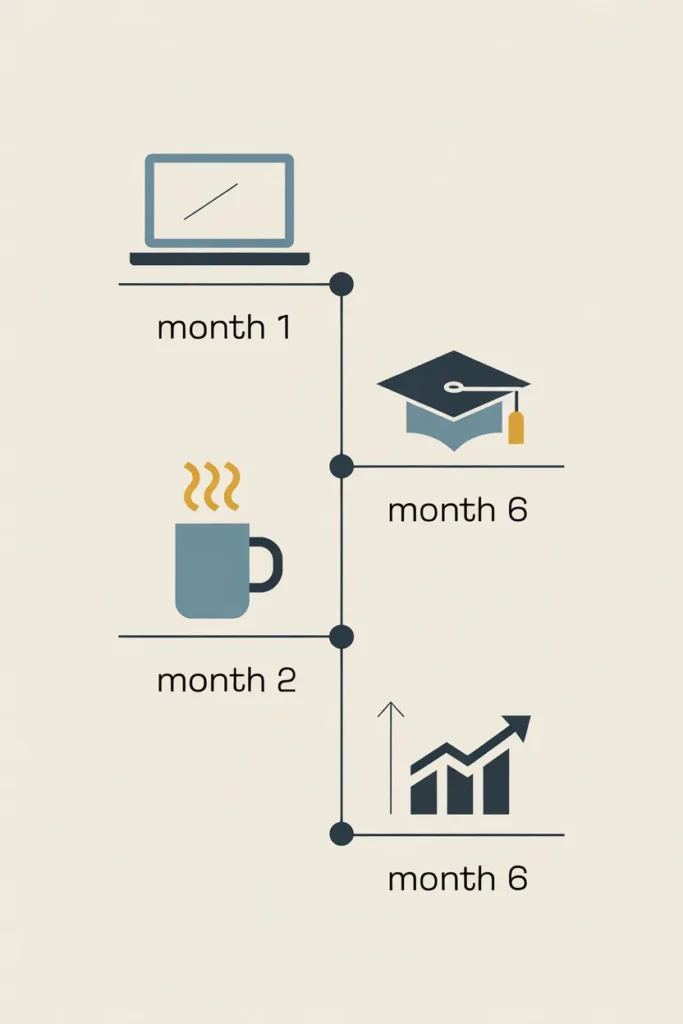
- Month 1: $0 to $400. Most of this month is application, onboarding, and your first 1 to 5 sessions.
- Month 2: $300 to $900. You start getting repeat students and your first reviews.
- Month 3: $500 to $1,400. Profile traction kicks in. You may raise your rate.
- Month 6: $800 to $2,200. Top performers in test prep or advanced subjects can exceed this.
Earnings vary significantly. These ranges are based on publicly reported tutor experiences and are not financial guarantees.
Frequently Asked Questions
How much can I realistically earn in my first month tutoring online? Most beginners earn $0 to $400 in their first month. The first 2 to 3 weeks are usually spent on applications, profile setup, and a small handful of trial sessions. Earnings climb in months 2 and 3 as reviews build up.
Do I need a degree to get online tutoring jobs? For some platforms (Skooli, Varsity Tutors), yes. For many others (Cambly, Preply, Outschool, Wyzant), no degree is required, but a relevant certification or strong subject knowledge helps you get approved and book students faster.
Do I need an LLC or business license to start? Usually not for casual side income. Most tutors start as a sole proprietor and report income on Schedule C. A few cities require a home business license. Check your local government website. Consult a tax professional once your income passes a few thousand dollars.
How do I handle taxes on online tutoring income? Income from online tutoring jobs is taxable in the US. Platforms typically pay you as a 1099 contractor and may issue a 1099-NEC at year end if you earn $600 or more from one platform. Set aside 25 to 30% for taxes, track deductible expenses, and consider quarterly estimated tax payments. The IRS website has a self-employment tax overview worth bookmarking.
Which online tutoring company pays the most? Outschool and Wyzant consistently top the list for high earners, especially for specialists. Top tutors on these platforms commonly report $50 to $80+ per hour. Results depend heavily on subject and demand.
Can I do online tutoring jobs with no experience? Yes. Cambly, Preply, and Outschool are the most beginner-friendly. Expect lower rates the first few months as you build reviews.
What is the biggest mistake beginners make? Applying everywhere and customizing nowhere. Tutors who write a generic bio and pick five subjects they’re “okay at” rarely get booked. Niche down to one subject you can teach with confidence and write your profile like you’re talking to one specific worried parent.
How much time per week does online tutoring actually require? Realistic part-time tutoring runs 8 to 15 hours per week including session prep, messaging students, and admin. Full-time tutors typically log 25 to 35 client-facing hours per week.
Are online tutoring jobs still in demand in 2026? Yes. The Bureau of Labor Statistics projects continued growth for tutors and self-enrichment teachers through the next decade, driven by ongoing demand for test prep, ESL, and supplemental K-12 support.
Are there urgent online teaching jobs hiring right now? Most major platforms hire on a rolling basis. Cambly and Preply have the fastest turnaround from application to first session (often under two weeks). On-demand platforms like Tutor.com and TutorMe also hire continuously.
Save This Guide and Pick One Platform This Weekend
You don’t need to apply to all twelve. You need to pick one that fits your skill level, your camera comfort, and your weekly schedule, then spend 90 minutes this weekend on a strong application. Most readers who actually do the work see their first paid session within 4 weeks.
Save this guide, pick your top 2 platforms, and revisit it the next time you have a quiet Saturday morning. Which subject would you tutor first if you knew you’d land a student by next month?