

You probably have $3,000 sitting in your garage right now. Maybe more. A kayak you used twice last summer. A pressure washer that comes out once a year. The DSLR camera you swore you’d learn before the baby arrived. All of it just sitting there, depreciating quietly while your utility bill goes up.
Here’s the thing nobody tells you when they say “rent out your stuff” online. The platforms are real, the income is real, but most articles skip the actual math, the actual risks, and the actual list of what you should not bother trying to rent. I’ve tested three of the biggest peer-to-peer rental platforms over the past two years, and this is the version of the guide I wish I’d had before I started.
We’re focusing on the three platforms that cover the widest range of stuff most American households already own: Fat Llama for gear, Loanables for everything from tents to power tools, and Neighbor for unused space. By the end of this, you’ll know exactly what to list first, what to price it at, and which items to leave in the garage where they belong.
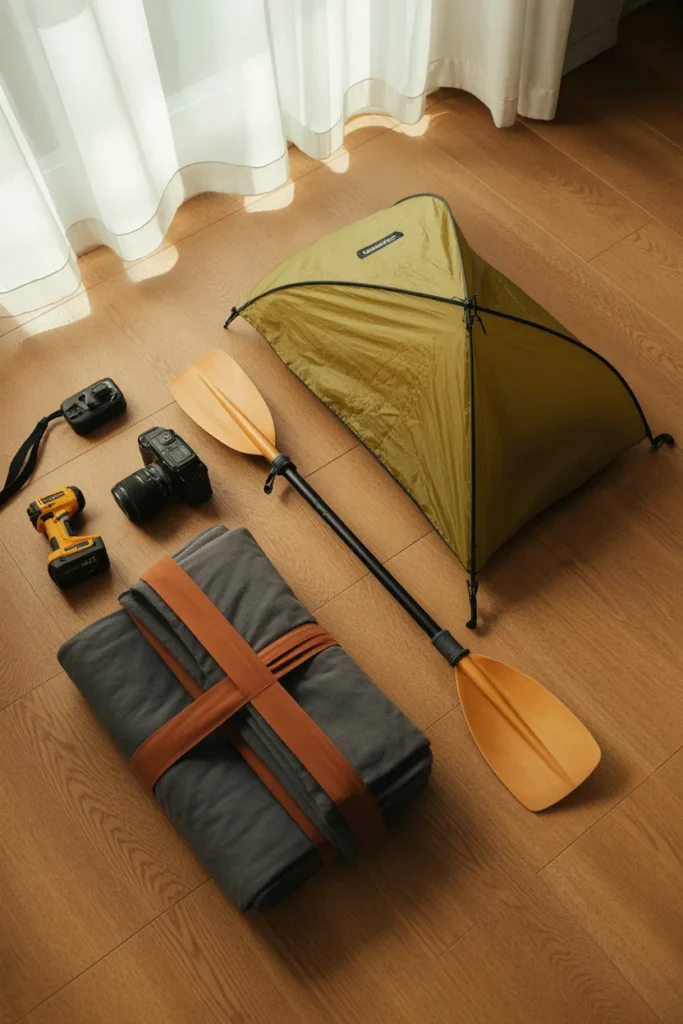
Why Renting Out Your Stuff Actually Works in 2026
The sharing economy went through a rough patch. A few high-profile platforms folded, some bad press happened, and the whole concept felt a little dead for a minute. It’s back, and it’s bigger than ever, but the winners look different now.
What changed: insurance got better, payment protection got tighter, and the platforms that survived built real trust systems. Identity verification, host coverage, and damage policies are no longer afterthoughts. That matters because the single biggest reason people don’t rent out their stuff is fear. Fear of theft. Fear of damage. Fear of meeting weirdos.
The trust gap closed enough that ordinary people are pulling in $200 to $2,000 a month from items they already own. The trick is picking the right item, the right platform, and the right price. That’s it.
If you’re new to the whole side hustle space and want a wider view, our breakdown of realistic passive income ideas that actually pay puts rental income in context with everything else you could try.
The Rentability Score: A 4-Factor Test Before You List Anything
Most guides hand you a list of 30 things to rent and call it a day. Useless. The same item that prints money in Austin sits dead on the listings page in rural Vermont. Before you waste an afternoon photographing your camping gear, run it through this scoring system.
Rate each item from 1 to 5 on these four factors. Anything that scores 14 or higher is worth listing.
| Factor | What to ask | Score 1-5 |
|---|---|---|
| Cost to replace | Would replacing this hurt your wallet? Higher cost = higher rental rate. | 1 = under $50, 5 = over $500 |
| Demand frequency | How often do regular people actually need this? | 1 = rarely, 5 = constantly searched |
| Storage footprint | Can you store it without resentment? | 1 = takes a whole garage, 5 = fits in a closet |
| Damage risk | How likely is it to come back broken or missing? | 1 = high risk, 5 = nearly bulletproof |
A Canon R6 mirrorless camera scores around 18. A wedding dress scores about 8 because of damage risk, even though demand is real. A pressure washer? Solid 17. A vintage guitar? Don’t.

How to Rent Out Your Stuff on Fat Llama (The Gear Specialist)
Fat Llama, which rebranded as Hygglo in some markets but still operates the original brand for US users, is the granddaddy of peer-to-peer gear rentals. Photographers, filmmakers, hobbyists, and weekend warriors use it constantly.
What people actually rent on Fat Llama:
- Camera bodies and lenses (the bread and butter)
- DJI drones
- Audio gear (microphones, mixers, lighting kits)
- Projectors and screens
- Power tools and saws
- Camping and outdoor gear
- Specialty kitchen equipment
Step-by-step setup:
- Create your lender account at fatllama.com and verify your ID. This takes about ten minutes. Skip it and your listings won’t show up in search.
- Take six to ten photos per item. Natural daylight, plain background, every angle. I shoot mine on a white sheet draped over my kitchen island. Sounds dumb, works perfectly.
- Write the description like you’re explaining the item to a friend who’s never used one. List what’s included, what’s not, and any quirks.
- Set your daily rate. Fat Llama suggests rates based on similar items, but I price about 10% under the suggestion for my first five rentals to build reviews fast.
- Set your pickup window. Tight windows (one hour) reduce flakes. Wide windows (all day) increase bookings but eat your day.
What Fat Llama takes: roughly 25% of each rental, which sounds steep until you remember they handle payment protection, ID verification, and a damage policy up to $30,000. Cheaper platforms don’t carry that kind of coverage.

Realistic income from Fat Llama: A friend of mine in Brooklyn rents a Sony A7 IV body two to three times per month at $65 a day, with average rentals running three days. That’s roughly $390 to $585 gross monthly, or about $295 to $440 after the platform cut. Not life-changing. Definitely covers a car payment.
How to Rent Out Your Stuff on Loanables (The Generalist)
Loanables is scrappier than Fat Llama, with less marketing polish, but it covers a broader range of categories. Think of it as the eBay to Fat Llama’s Etsy. It works especially well for items that don’t fit cleanly into the “professional gear” bucket.
Best categories on Loanables:
- Lawn and garden equipment
- Party and event supplies (tents, tables, chafing dishes, sound systems)
- Sports equipment (paddleboards, bikes, golf clubs)
- Baby gear (cribs, strollers, car seats for visiting grandparents)
- Tools the hardware store charges a fortune to rent
- Costumes and outfits for themed events
That last category is interesting. Pinterest searches for renting outfits and costumes are climbing fast, and Loanables hosts a quieter version of what Pickle and By Rotation do for designer pieces.
The Loanables advantage: lower platform fees, typically around 15% to 20%, and a more local feel. The disadvantage is thinner demand, so listings move slower. Treat it as a complementary platform, not a primary one, unless you live near a major metro.
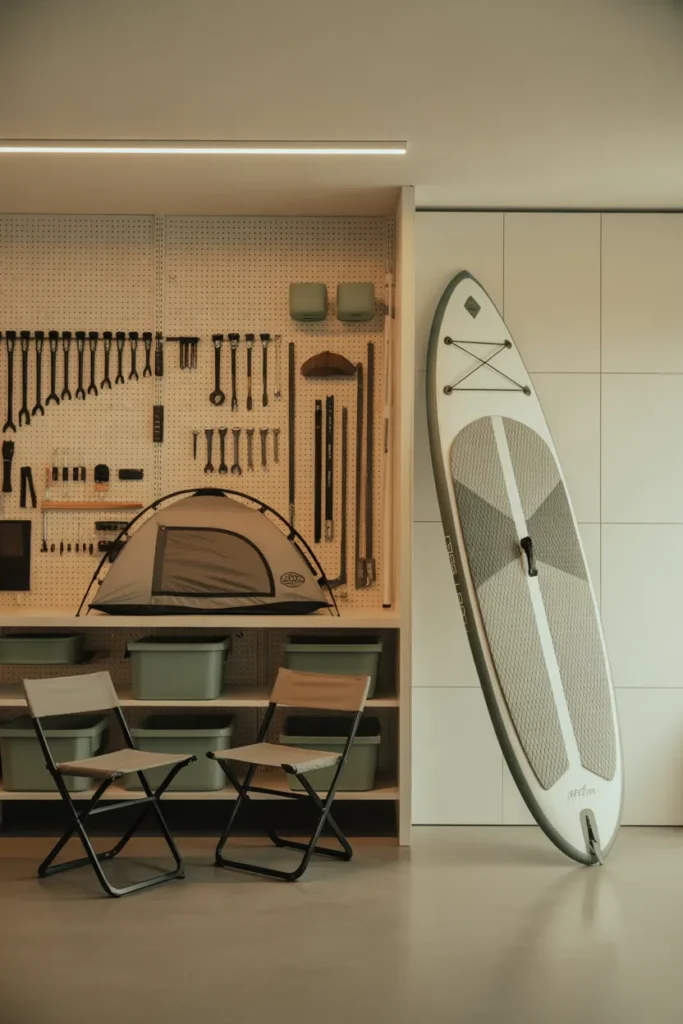
Pricing tip: Loanables doesn’t auto-suggest rates, so do this. Search for your item on the platform, find the three closest comparables, and price yourself at the median minus 5%. Once you have ten reviews, raise to the median. After thirty reviews, raise above it.
How to Rent Out Your Stuff on Neighbor (The Space Play)
Neighbor is the odd one out here because you’re not renting out an item. You’re renting out space. Driveway, garage corner, attic, basement, closet, parking spot. If you have it and it’s not being used, Neighbor will pair you with someone who needs storage.
Why it’s worth your attention:
- Zero capital investment if you already have unused space
- Genuinely passive once set up
- Monthly recurring income, not one-off rentals
- Lower damage risk than item rentals (it’s just sitting there)
The Neighbor storage review numbers I’ve seen in real listings: a single car garage in a Phoenix suburb pulls about $150 to $250 per month. A driveway spot for an RV in coastal Florida pulls $200 to $400. An indoor climate-controlled closet in Manhattan? $300 to $600.
Compare that to the cost of building actual storage facilities, and you see why Neighbor exploded. It’s pure asset utilization.
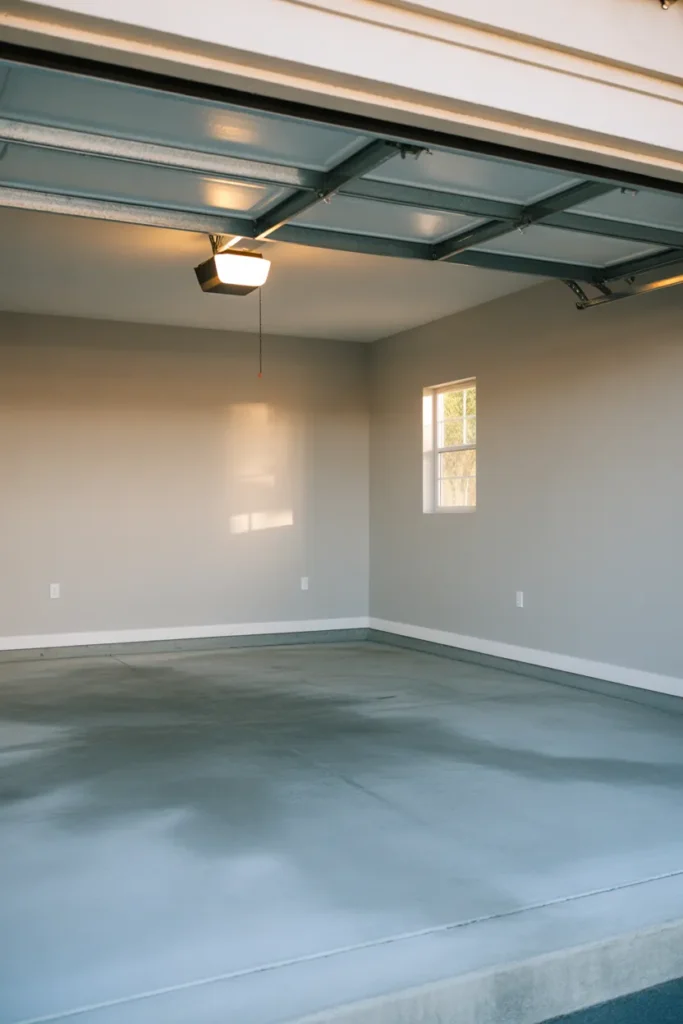
Neighbor setup tips:
- Measure your space accurately. Length, width, height. Renters filter by these.
- Photograph in daylight with the space empty. Sweep first. Genuinely.
- Be honest about access. 24/7 access commands more than business-hours-only. State it clearly.
- Add climate control as a separate filter if you have it. Big premium.
- Set a minimum three-month rental term. Reduces churn dramatically.
Neighbor handles payments, identity checks, and a $25,000 host guarantee on damage. Their cut is around 4.9% plus a small per-transaction fee, which is far lower than item-rental platforms because the operational risk is lower.
The Real Monthly Income Math (Not the Inflated Kind)
Most articles toss out big numbers without showing the work. Here’s the actual unit economics from three real listings I’ve tracked, with names changed.
Example 1: DJI Mavic 3 drone on Fat Llama
- Cost to replace: $2,100
- Daily rate: $85
- Average rentals per month: 4
- Average rental length: 2 days
- Gross monthly: $680
- Platform fee (25%): $170
- Net monthly: $510
Example 2: Pressure washer on Loanables
- Cost to replace: $320
- Daily rate: $35
- Average rentals per month: 6
- Average rental length: 1 day
- Gross monthly: $210
- Platform fee (18%): $38
- Net monthly: $172
Example 3: Two-car driveway in Tampa on Neighbor
- Monthly rate: $185
- Platform fee (4.9% + transaction): ~$10
- Net monthly: $175
Stack three items like this and you’re netting roughly $857 per month from stuff you already own. That’s a real number. It’s also not a yacht. Calibrate your expectations and you won’t quit in month two.
If you want to plug your own numbers in, our side hustle ROI calculator handles the math for you, including the depreciation hit on the items themselves.

What NOT to Rent Out (The List Nobody Writes)
Here’s the part competitors leave out. Some items will burn you. Either the damage rate is too high, the demand is too low, or the headache exceeds the income. Skip these even if you own them.
- Anything irreplaceable or sentimental. Grandma’s china, your dad’s vintage watch, family heirlooms. Insurance covers replacement cost, not memory.
- Cars below market value. Turo math works for newer, well-maintained vehicles. An 11-year-old Civic with 140,000 miles loses you money the first time someone rear-ends it.
- Wedding dresses, prom dresses, formal wear. High damage rate, low return rate, sentimental complaints, dry cleaning nightmares.
- Anything with significant moving parts that breaks easily. Cheap drones, cheap projectors, anything labeled “starter” or “entry-level.” Renters are rough.
- High-cost items you can’t replace within 30 days. If the platform’s damage policy maxes out below replacement cost, you’re carrying the gap.
- Anything that requires you to teach the renter how to use it. If you have to do a 20-minute walkthrough, your hourly rate just dropped to minimum wage.
- Pets, plants, food equipment that touches food directly. Liability hellscape.
That seventh one trips up a lot of people. They list a fancy espresso machine, then get into a war over whether the milk frother came back dirty. Not worth the $40.

Your First Weekend: An Action Plan
You don’t need to overhaul your life to get started. You need one focused Saturday morning. Here’s the plan that worked for me and a dozen readers who’ve used it.
Saturday 9 a.m. to 10 a.m. Walk through your home with a notebook. Garage, attic, closets, basement, spare room. List every item that cost over $100 and is used fewer than twice a month.
Saturday 10 a.m. to 11 a.m. Score each item on the rentability framework above. Anything 14 or higher makes the shortlist.
Saturday 11 a.m. to 12 p.m. Photograph your top three items. Natural light, plain background, six to ten shots per item. Wipe them down first.
Saturday 1 p.m. to 3 p.m. Create accounts on Fat Llama, Loanables, and Neighbor. Verify ID. List your top three items, one per platform if they fit the platform’s category strength.
Saturday 3 p.m. to 4 p.m. Share your listings on a local Facebook group or Nextdoor. The platforms drive most demand, but local visibility speeds up your first rental significantly.
That’s the entire setup. Five hours. Most people who follow this get their first booking within ten days, and the first one always feels like magic. Want more bootstrap-friendly options? Our list of side hustles you can start with no money covers what to try after rentals.

Taxes and Liability: The Boring Stuff That Saves You Money
Rental income is income. The IRS counts it. Most peer-to-peer rental platforms will issue you a 1099-K if you cross $600 in a calendar year, and you’ll need to report that income on your tax return.
A few rules of thumb based on current IRS guidance:
- Casual rentals fall under hobby income or self-employment depending on volume and intent. Once you’re earning consistently and treating it like a business, it becomes Schedule C territory. The IRS publishes the hobby-versus-business factors on irs.gov.
- Set aside 25% to 30% of every dollar of net rental income in a separate account for taxes. Don’t touch it.
- Track mileage if you drop off items, software subscriptions if you use them, and a portion of your home if you store rental inventory there. These are legitimate deductions.
On the liability side, your homeowner’s or renter’s insurance likely does not cover items you rent out commercially. The platforms carry their own coverage, but the gaps are real. The Insurance Information Institute recommends checking whether a personal umbrella policy or a small business rider is appropriate once your rental income becomes regular.
This is general information, not legal or tax advice. Talk to a US tax professional and your insurance agent about your specific situation. The cost of a single consultation is usually less than one month of rental income.

FAQ: What People Always Ask Before They Start
Can you make money on Fat Llama?
Yes, but the income depends entirely on what you list and where you live. Urban hosts with high-demand gear like cameras and drones average $200 to $800 per month after fees. Suburban hosts with niche items can earn $50 to $200. Rural hosts struggle unless they list specialty items that ship.
How do you rent out personal items legally and safely?
Pick a platform with identity verification and damage protection. List items, set a daily rate, accept bookings, hand off the item, and collect payment through the platform. Never hand off through Venmo or cash. The platform’s protection only applies if the transaction stays on the platform.
What percentage does Fat Llama take?
Fat Llama charges around 25% of each rental, which covers payment processing, identity verification, and damage coverage up to roughly $30,000 per item. Other platforms charge less but offer thinner protection.
What is the best app for renting out items?
There isn’t one best app. Fat Llama wins for gear and cameras. Loanables wins for general household items and party supplies. Neighbor wins for unused space. Turo wins for cars. The right app depends on what you own.
Do I need insurance to rent out my stuff?
Platform coverage usually covers basic damage during rental periods. It typically does not cover liability if someone gets hurt using your item or theft outside the rental window. A personal umbrella policy or a small business rider is often worth considering once your rentals become consistent.
How much can I realistically earn renting out my stuff?
Most beginners net $100 to $500 per month within their first 90 days. Operators with three to five well-chosen items in a decent metro routinely hit $500 to $1,500 per month. Anything beyond that usually means you’ve built a small rental business, not a side hustle.
Is renting out my stuff worth the hassle?
It depends on your tolerance for handoffs, messages, and the occasional damaged item. If you have stuff you’d otherwise sell for pennies on the dollar, renting almost always returns more over time. If your stuff is in active personal use, the hassle usually isn’t worth it.

Your Move
The income from renting out your stuff isn’t going to retire you. It’s going to cover a car payment, pad your emergency fund, or fund the trip you’ve been putting off. That’s a real, useful number for most people, and it comes from items you already own and barely use.
The hardest part isn’t listing. It’s the moment you decide your stuff is worth more in someone else’s hands for a weekend than gathering dust in yours. Once that clicks, the rest is a checklist.
So which item are you listing first? The drone, the pressure washer, or the corner of the garage?


